
Homeowners spend hours choosing the perfect paint color and then get surprised by the next question: what sheen do you want?
That decision matters more than it sounds. The same color can look noticeably different in matte, eggshell, satin, and semi-gloss. Sheen changes how much light reflects off the surface, how strongly wall texture and repairs show, how easy the finish is to clean, and how formal or casual a room feels.
There is no single sheen that belongs on every wall. The best choice depends on the room, the condition of the surface, the amount of traffic, and the specific paint line being used. Modern premium paints have also improved enough that old rules such as “you must use shiny paint in every bathroom” are not always helpful.
Here is a practical room-by-room way to think about it.
First, What Does Paint Sheen Mean?
Sheen is the amount of light a dried paint film reflects. Names vary slightly by manufacturer, but the common progression moves from flat or matte at the low-reflection end through eggshell and satin to semi-gloss and gloss.
Lower-sheen finishes create a softer appearance and are generally more forgiving of small surface imperfections. Higher-sheen finishes reflect more light, which can make colors feel richer and architectural details more noticeable. That same reflection can also highlight uneven drywall, patches, dents, and roller texture.
Benjamin Moore describes flat finishes as forgiving, eggshell as a versatile middle ground, and semi-gloss as a finish that emphasizes architectural details. That is a useful framework, but the exact performance of a sheen depends on the product line.
Ceilings: Flat Is Usually the Easy Choice
Most standard ceilings look best with a flat finish. Ceilings receive light from windows and fixtures at shallow angles, so extra sheen can make drywall seams, repairs, and texture more visible. Flat paint keeps the surface visually quiet and lets the walls, trim, and furnishings do the work.
There are exceptions. A bathroom ceiling, laundry area, or other moisture-prone space may benefit from a product designed for that environment. The key is selecting the right coating, not simply choosing the shiniest can on the shelf.
For open-plan homes, keeping ceilings consistently flat can also help connect multiple rooms without adding visual breaks overhead.
Living Rooms and Family Rooms: Matte or Eggshell
For most living rooms, family rooms, and open common spaces, matte or eggshell offers a strong balance of appearance and practicality.
Matte has a soft, sophisticated look and can help calm walls with small imperfections. Eggshell adds a little more reflectivity and is often easier to maintain in busy spaces. With premium washable products, both can work well depending on the household.
Think about how the room is used. A formal living room that sees light traffic can lean matte. A family room where kids, pets, furniture, and daily life meet the walls may benefit from eggshell or another washable low-sheen finish.
Bedrooms: Matte or Eggshell for a Calm Finish
Bedrooms are usually low- to moderate-traffic spaces, so there is rarely a need for a shiny wall finish. Matte and eggshell are the most common choices because they create a comfortable appearance without making every wall repair obvious.
For children’s bedrooms, consider washability. A durable eggshell can be a practical choice where fingerprints, toys, and scuffs are expected. In an adult bedroom, matte can create a softer, quieter feel.
The amount of natural light also matters. In Vancouver-area homes, a room that receives soft or indirect daylight may show sheen differently from a bright south-facing room. Test a sample on more than one wall before making the final decision.
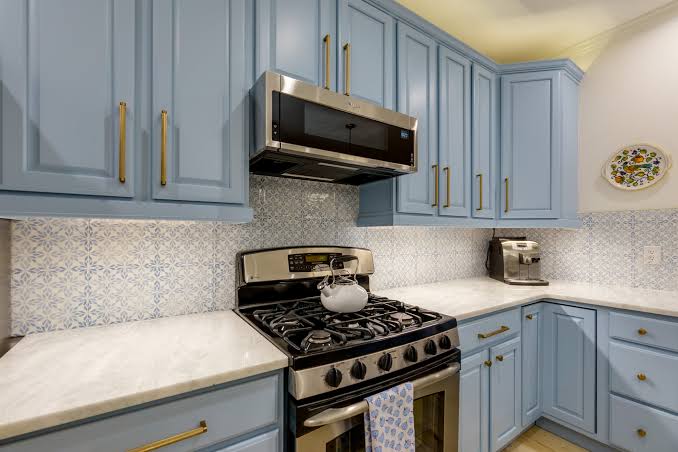
Kitchens: Eggshell or Satin Often Works Well
Kitchen walls face more cleaning, splashes, and contact than bedroom walls. Eggshell or satin is often a good fit because these finishes offer more washability and resistance to everyday handling than traditional flat paint.
That does not mean every kitchen needs glossy walls. Too much sheen can make a large kitchen feel visually busy, especially when the cabinets, backsplash, appliances, and countertops already reflect light.
Use the wall finish to support the room. If cabinetry has a satin or semi-gloss finish, a lower-sheen wall can create a pleasant contrast and keep the cabinets looking crisp.
Bathrooms: Choose the Product First, Then the Sheen
Bathrooms create a lot of confusion because older advice often treated semi-gloss as mandatory. Today, many premium interior coatings are formulated for better washability and moisture resistance at lower sheens.
A satin finish remains a practical choice in many bathrooms because it cleans easily and handles regular use. Eggshell may also work when the specific product is rated for the conditions. In a small bathroom with uneven walls, a very glossy finish can exaggerate every patch and texture variation.
Ventilation is just as important as sheen. Paint cannot solve chronic condensation caused by poor airflow. Before repainting a bathroom with recurring peeling or mildew, address the moisture source as part of the project.
Hallways, Entries, and Stairwells: Prioritize Durability
These are the contact zones of a home. Hands touch the walls, bags rub corners, pets brush past, and moving furniture leaves marks. Eggshell or satin is usually more practical than traditional flat paint because it is easier to clean.
Surface preparation deserves extra attention here because hallway lighting often runs along the wall and reveals dents, nail pops, and patches. More sheen will make those defects easier to see, so repairing them before painting matters.
If you love the look of matte, ask about a premium washable matte product rather than assuming you must move to a much shinier finish.
Trim, Doors, and Molding: Satin or Semi-Gloss
Trim is where a little extra sheen can add definition. Baseboards, door casings, window trim, crown molding, and interior doors are frequently finished in satin or semi-gloss because those surfaces need durability and benefit from a cleaner, more defined edge against the walls.
Semi-gloss reflects more light and can emphasize detailed profiles. Satin gives a softer look while still separating trim from a matte or eggshell wall.
The smoothness of the preparation becomes more visible as sheen increases. Filled nail holes, caulk lines, sanding, and clean application all matter if you want trim to look sharp rather than simply shiny.
Cabinets: Use a Coating Designed for Cabinet Wear
Cabinets are not just another wall surface. They are handled constantly and need a coating system designed for harder service. The sheen may be satin, semi-gloss, or another manufacturer-specific finish, but the product’s hardness, adhesion, and cure properties are more important than the sheen name alone.
This is why cabinet refinishing requires different preparation than repainting a bedroom. Cleaning, degreasing, adhesion prep, primer selection, and curing all affect the result.
Does Higher Sheen Always Mean More Durable?
Not necessarily. Historically, higher-sheen paints often provided better washability, which is why semi-gloss became the default for kitchens and bathrooms. Modern premium coatings can offer excellent durability at lower sheens.
Compare products within the same paint line rather than assuming every eggshell performs like every other eggshell. Manufacturer names and sheen levels are not perfectly standardized, either. One brand’s satin may look closer to another brand’s pearl or low-luster finish.
Surface Condition Can Decide the Sheen for You
If the walls have visible patches, texture variation, old repairs, or waves in the drywall, a lower sheen will usually be more forgiving. If the surface is exceptionally smooth and the goal is to highlight trim or architectural details, more sheen can work beautifully.
This is especially important under strong side lighting. A wall can look perfect when viewed straight on and reveal every imperfection when afternoon light runs across it.
Before committing to a full room, apply a sample large enough to judge both the color and sheen during daylight and at night.
The Simple Room-by-Room Starting Point
For most homes, start with flat on ceilings, matte or eggshell in bedrooms and living areas, eggshell or satin in kitchens and high-traffic spaces, and satin or semi-gloss on trim and doors. Then adjust based on the paint product, wall condition, moisture, traffic, and the look you want.
Elite Edge Painting provides interior wall, room, trim, and cabinet painting throughout Vancouver, Camas, and nearby Clark County communities. We can help you compare colors and finishes, prepare the surfaces properly, and choose a premium Sherwin-Williams or Benjamin Moore coating that fits how each room is actually used. Call (360) 550-0237 or request a free estimate for your next interior project.