

We are a 5 ⭐ Rated Business on Google
Vancouver, WA's #1 Fence Painting And Staining Company
CALL FOR A FAST FREE ESTIMATE
(360) 550-0237

Fence Painting And Staining Services You Can Count On In Vancouver, WA
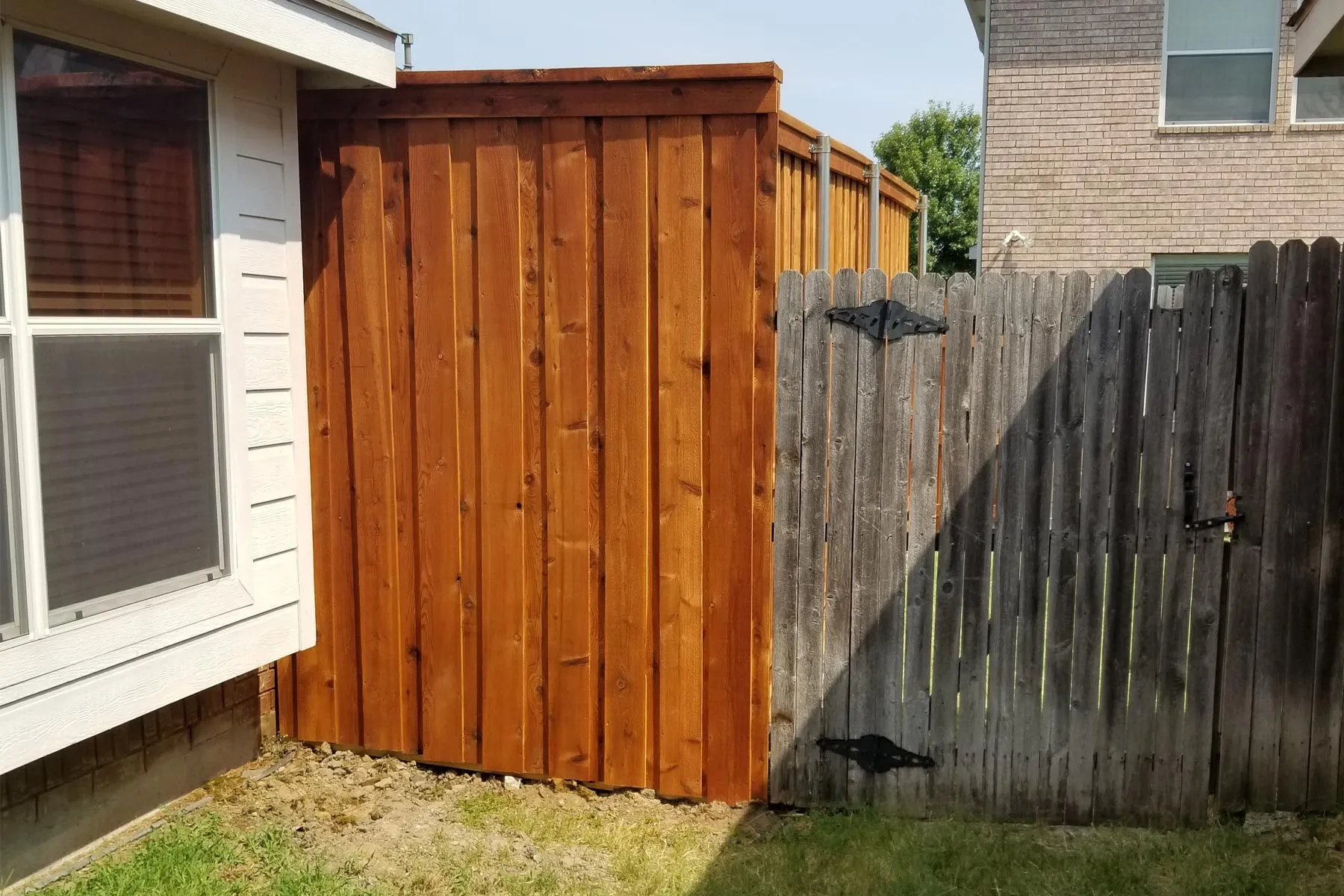
Cedar fences in Clark County have a predictable life story. They go up looking warm and golden, spend two winters turning silver gray, then start growing moss on the north facing side while the bottom boards darken from splash back. Left long enough the pickets cup, the posts soften at the ground line, and what was a maintenance job becomes a replacement quote. Sealing a fence on a reasonable cycle is the cheapest thing you can do to avoid that.
Our team provides professional fence painting and staining in Vancouver, WA for cedar, pressure treated, and vinyl fencing across residential and rental property. The work that matters happens before the stain does. We wash the fence at a pressure that cleans without shredding soft cedar fibers, treat and kill the moss and mildew rather than just knocking it off, let the wood dry down to a moisture level that will actually accept a coating, then apply the stain and back brush it into the grain so it penetrates instead of sitting on the surface. That last part is what separates a fence that holds color for years from one that looks blotchy after a single winter.
SHORT ON TIME & CAN’T CALL? GET A FAST QUOTE TODAY!

Fast Free Estimates On Your Schedule

Prep Work Done The Right Way

Premium Paints That Show It

Locally Owned. Vancouver Focused.
CERTIFICATIONS AND AFFILIATIONS
When Should You Call A Fence Painting And Staining Company In Vancouver, WA?
1. When Your Cedar Fence Has Turned Gray
2. When Moss Or Green Growth Is Taking Over
3. When The Bottom Boards Are Dark And Soft
4. When You Just Had A New Fence Installed
5. When Half Your Fence Looks Different From The Other Half
6. When You Are Selling And The Backyard Shows It
What Is Our Process Like When Doing Fence Painting And Staining Work In Vancouver, WA?
Our fence process in Vancouver, WA starts with walking the full run of the fence, both sides, checking the condition of pickets, rails, and posts. We look for soft wood at the base and ground line, cupped or split boards, loose fasteners, and how much moss and mildew has established on the shaded elevations. We identify the material, since cedar, pressure treated lumber, and vinyl all require completely different products and preparation, and we talk through whether you want a transparent stain that shows the grain, a semi transparent that adds more color, or a solid that covers entirely.
Once work begins, we protect landscaping, plant beds, and any hard surfaces along the fence line, then wash the entire fence at a pressure appropriate for the wood. Soft cedar can be shredded by an aggressive pressure washer, which leaves a furry surface that never looks right afterward, so this step takes judgment rather than horsepower. Moss and mildew are treated rather than merely blasted off. Then the fence dries, and this is where most fence jobs are won or lost, because wood that still holds moisture will not accept stain and the finish will fail early no matter how good the product is.
When the moisture level is right, we apply the stain and back brush it into the grain, working the product into the wood rather than leaving it sitting on top. Both sides are coated unless you have told us otherwise. We finish by inspecting the full run, touching up the areas that absorbed unevenly, and clearing the site completely.
Specific Work Practices Include:
- Our process starts with walking the entire fence line on both sides to assess pickets, rails, and posts. We check for soft wood at the ground line, cupping, splitting, and loose fasteners, identify the material, and talk through whether a transparent, semi transparent, or solid product suits what you want.
- Once work begins, we protect landscaping and hard surfaces, then wash the fence at a pressure that cleans without damaging the wood fibers, and treat moss and mildew so the growth is killed rather than just knocked off. The fence is then allowed to dry to a moisture level that will actually accept a coating.
- With the wood dry, we apply the stain and back brush it into the grain so it penetrates rather than sitting on the surface, coating both sides unless directed otherwise. We inspect the full run, touch up areas that absorbed unevenly, and leave the property clean when the work is done.
We've Been Doing Fence Painting And Staining In Vancouver, WA For Years!
We have been washing and sealing fences in Vancouver, WA for years, mostly cedar, mostly gray and mossy by the time we get the call. We have brought back fences the homeowner assumed needed replacing, told others honestly that their bottom rails were done, and coordinated more than a few jobs with the neighbor on the other side who wanted theirs done at the same time. Fences are simple work that goes wrong in predictable ways, almost always because someone stained wet wood or washed it too hard.
That experience shows up in the patience more than anything. Washing at the right pressure for the material. Actually treating the moss instead of blasting it. Waiting for the wood to reach a moisture level that will take the product, even when that means coming back another day. Back brushing so the stain lands in the grain. Using product rated for the exposure the fence actually gets rather than whatever is on sale. It is not complicated work, but doing it in the right order is what makes it last.
Our Fence Painting And Staining Service Includes
- Free walkthrough of the full fence line with condition, material, and scope confirmed upfront
- Protection of landscaping, plant beds, and hard surfaces along the fence
- Washing at a pressure suited to the material so the wood is cleaned rather than damaged
- Treatment of moss, algae, and mildew so growth is killed rather than surface removed
- Proper dry down time so the wood will actually accept the coating
- Honest assessment of any rotted pickets, rails, or posts before staining begins
- Stain applied and back brushed into the grain, both sides unless directed otherwise
- Final inspection of the full run, touch ups, and complete site cleanup
Get a Quote Today!
Frequently Asked Questions
Yes. Elite Edge Painting washes, treats, and seals fences for homeowners and property owners throughout Vancouver, WA and the surrounding Clark County area. We work on cedar, pressure treated lumber, and vinyl fencing, and we handle both residential yards and rental properties. Every project includes washing at a pressure suited to the material, treating moss and mildew, proper dry down time, and stain worked into the grain rather than left sitting on the surface. We are locally owned, licensed and insured, and estimates are free. Call (360) 550-0237.
For cedar fencing in this climate, stain is almost always the better choice. Stain penetrates into the wood and wears away gradually, which means when it comes time to redo it you wash and recoat. Paint forms a film on the surface, and when that film eventually fails on a fence exposed to constant moisture from both sides, it peels and flakes, and the only way forward is scraping or stripping the entire run. Paint also traps moisture in wood that needs to breathe. The exception is a fence that has already been painted, since going back to stain from paint requires stripping and is rarely worth the cost. Vinyl fencing is a different conversation entirely.
Not right away, and this is the most common mistake we see. New cedar arrives with mill glaze from the milling process and often carries high moisture content, and stain applied over either one will not penetrate. It sits on the surface, looks uneven, and wears off quickly. New fencing generally needs to weather for a period before it will accept a coating properly, and the exact timing depends on the lumber, how it was stored, and the season it went up. The practical test is whether water beads on the surface or soaks in. Beading means it is not ready. Call us and we will come look rather than guess, since staining too early wastes the entire job.
They differ in how much pigment they carry, and pigment is what provides UV protection. Transparent stains show the most grain and look the most natural, but they carry the least pigment and need recoating soonest. Semi transparent adds noticeable color while still showing grain and is the most popular choice for cedar fencing in Clark County, offering a good balance of appearance and longevity. Solid stain covers the wood almost completely like paint but still penetrates, lasts the longest, and hides gray and mismatched boards well, though it is difficult to reverse once applied. We talk through the tradeoff at the walkthrough, since it affects both how the fence looks and how often you will be redoing it.
Moss, algae, and mildew are on nearly every fence in Vancouver, concentrated on the shaded side that never dries out. Pressure washing knocks the visible growth off, but what remains in the grain regrows within a season, which is why fences that were simply blasted clean look green again by the following fall. The growth needs to be treated with a solution that kills it, then the surface sealed with a product carrying mildew resistance. We also point out the conditions feeding it, most often shrubs or vines planted tight against the fence holding moisture, or sprinklers hitting the boards daily. Trimming back a few inches of clearance does more for a fence than anything we can put on it.
Washing is required, but the pressure has to match the material, and this is where a lot of damage gets done. Cedar is soft, and an aggressive pressure washer held too close will erode the softer bands of grain and leave a furred, fuzzy surface with visible wand marks that never look right again no matter what goes over them. Older or partially rotted boards are even more vulnerable. We wash with the appropriate pressure and the right cleaning solution for the condition of the fence, prioritizing getting it clean over getting it done fast. If a fence is fragile enough that washing would damage it, we say so.
Longer than most people expect, and this is where fence jobs are usually won or lost in the Pacific Northwest. After washing, the wood needs to dry down to a moisture level that will actually absorb the stain, which typically means at least a couple of days of dry weather and often more depending on conditions. Wood that still holds moisture will not take the product properly, and the finish looks blotchy and fails early. This is also why we cannot wash and stain a fence on the same day, and why anyone offering to is either using a product that does not penetrate or is setting you up to redo it next year.
Late spring through early fall, with the summer months being most reliable because you need consecutive dry days for washing, drying, and coating. Fence work has one advantage over house painting in that the whole project including dry down often fits inside a single dry stretch, so a good week in May or September can work well. Very hot direct sun is not ideal either, since stain that flashes off too quickly does not penetrate properly, so we often work the shaded side of a fence during the hottest part of the day. Booking early matters. Fence and deck work concentrates into the same few months here and the calendar fills.
Fences are priced on linear footage and height, with the biggest variables being whether both sides are being coated, how much washing and moss treatment the fence needs, and the condition of the wood. A fence that has been maintained on a regular cycle costs considerably less than one that has been left gray and mossy for a decade, since the prep is a fraction of the work. Access matters too, since a fence line crowded with landscaping or on a slope slows everything down. We walk the full run, measure, and give you a written estimate with the scope spelled out and the price locked. Call (360) 550-0237.
We quote both sides by default because sealing only one face leaves the other absorbing and releasing moisture freely, which is what causes boards to cup and warp over time. That said, doing both sides is not always possible, since the far side often sits on a neighbor's property and we need their permission to be on it. Plenty of homeowners coordinate with the neighbor so both sides get done at once, and some split the cost, which is worth a conversation before the work is booked. If only your side can be accessed, we will do that and tell you honestly what the tradeoff is rather than pretending there is not one.
Yes, and it is worth doing before you book rather than after. If the fence sits on a shared property line, your neighbor may have an interest in the color, and they will certainly have an interest in a crew working on their side of it. The practical questions are whether we can access their yard, whether they want their side done at the same time, and whether they are willing to share the cost of a fence that benefits both properties. Coordinating this in advance is straightforward and avoids the awkward version where a crew arrives and cannot reach half the fence. We are happy to quote both sides so you have a number to bring to the conversation.
Less time than people hope, because a fence is exposed on both faces with no roof over it, which is harsher than any surface on your house. Transparent stains commonly need attention in two to three years here. Semi transparent typically holds three to five. Solid stain lasts longest, often five years or more. The shaded side almost always needs recoating before the sunny side does, and the bottom boards go before the tops. The upside is that maintaining a fence on a regular cycle is cheap, because a fence that gets recoated on schedule needs a wash and a coat rather than the full restoration a decade of neglect requires.
Staining rotted wood produces a sealed rotted board, so we check before we coat. The usual failure points are the bottom few inches of pickets where rain splashes up, the base of posts at the ground line, and bottom rails that have been sitting in wet leaves for years. Boards that are dark but still solid clean up and seal fine. Boards that give under thumb pressure or crumble need replacing. We flag everything we find at the walkthrough so you can decide whether to replace those pieces first or proceed knowing which sections have limited time left. We would rather tell you a section is finished than take money to seal it.
Not without stripping it first, and on a fence that is rarely worth the cost. Stain works by penetrating into wood, and paint forms a film that blocks it entirely, so stain applied over paint simply sits on top and washes off. Getting from paint back to stain means stripping or sanding every board on both faces, which on a fence run is enormously labor intensive and never fully successful because paint remains in the grain. The practical path for an already painted fence is to keep painting it, which means scraping the failing areas, priming bare wood, and recoating. We will lay out both options honestly at the walkthrough.
Yes. Fence work happens directly against garden beds, lawn, and often patios or walkways, so protection goes down before washing begins. Plants along the fence line get covered, hard surfaces are protected, and we work carefully around anything established. It genuinely helps if you can trim back shrubs, vines, and climbing plants a few inches off the fence before we arrive, since anything touching the boards cannot be properly cleaned or coated behind, and that clearance also slows the moss regrowth afterward. Tell us about irrigation lines along the fence at the walkthrough so we can keep off them.
The coating itself is fast. What sets the schedule is the dry down between washing and staining. A typical residential fence gets washed on one day, dries for a couple of days depending on weather, then gets coated in a day. So the project spans most of a week even though the crew is only on site for parts of two or three of those days. Very long fence runs, fences needing heavy moss treatment, or both sides being coated will extend that. Weather can push it further, since a wet stretch mid project resets the dry down. We give you a realistic window at the estimate.
Vinyl fencing can be painted, with real caveats worth understanding. It requires thorough cleaning and a bonding primer made for the material, and color choice is constrained because dark colors absorb heat and vinyl expands and warps when it gets hot, so going darker than the original is generally a bad idea. Metal and wrought iron fencing takes paint well and is a straightforward project once rust is addressed, which means wire brushing or sanding down to sound material and priming with a rust inhibitive product before finish coats. Both are worth a conversation at the walkthrough so we can assess condition before quoting.
Yes. We stain and seal fencing for rental properties, small commercial sites, and multi unit properties throughout Vancouver and Clark County. Fence maintenance is one of the more cost effective things an owner can do on a rental, since a fence left gray and mossy for a decade eventually becomes a replacement expense that dwarfs the cost of periodic sealing. For multi property owners we can work through a portfolio on a consistent spec so everything matches and the maintenance cycle stays predictable. Tenant coordination and access are usually the main scheduling factors, and we work around them.
Elite Edge Painting serves homeowners throughout Vancouver, WA and the surrounding Clark County area including Camas, Washougal, Battle Ground, Ridgefield, Hazel Dell, Salmon Creek, Felida, Orchards, Brush Prairie, Hockinson, La Center, and the greater Portland metro area. If you are not certain whether your address falls inside our service area, call us and we will confirm right away. Being local matters on fence work specifically, because the schedule depends on reading the weather correctly, and a crew based here knows what a Clark County forecast actually means for a dry down window.
Call Elite Edge Painting at (360) 550-0237 or send us a message through the contact form and we will come out to walk your fence line. At the walkthrough we measure the run, check both sides where accessible, probe the posts and bottom boards for soft wood, assess how much moss treatment is needed, and talk through whether a transparent, semi transparent, or solid product fits what you want. You get a clear written quote with the scope spelled out, including any boards we think need replacing first. No pressure and no obligation. Elite Edge Painting is locally owned, licensed and insured.
So Why Choose Our Company?

Free Estimates & On-Time Service

Premium Paints, Done The Right Way

Proven Craftsmanship That Shows

Vancouver Owned. Vancouver Focused.
Based In Vancouver, WA
Based in Vancouver, WA, Elite Edge Painting serves homes and businesses across Clark County and the Portland metro area with free estimates, premium finishes, and dependable, on time results.
- Vancouver, WA
- Camas, WA
- Washougal, WA
- Battle Ground, WA
- Ridgefield, WA
- Brush Prairie, WA
- Hazel Dell, WA
- Salmon Creek, WA
- Felida, WA
- Orchards, WA
- La Center, WA
- Hockinson, WA
- Portland, OR
- Beaverton, OR

Ready To Give Your Home A Fresh Coat? Let's Talk.
Contact Us Today!
CALL FOR A FAST FREE ESTIMATE
(360) 550-0237