
Painting a house exterior in Vancouver means working with the weather instead of pretending it is not there. A bright morning can turn into an afternoon shower, shaded siding can stay damp long after the driveway looks dry, and a week that appears questionable on Monday can open into a perfectly usable painting window by Thursday. That is normal for Southwest Washington.
The good news is that a rainy climate does not prevent homeowners from getting a durable exterior paint job. It simply raises the importance of timing, surface preparation, product selection, and careful scheduling. Professional exterior painting is not about waiting for an imaginary month with zero moisture. It is about knowing when a surface is ready, when a coating can be applied, and when the forecast gives that coating enough time to set up properly.
The Short Answer: Do Not Paint a Wet Surface
If siding, trim, fascia, or another exterior surface is wet, it should not be painted until it is adequately dry for the coating being used. The same goes for active rain, heavy fog, or conditions that keep moisture sitting on the surface. Paint needs a sound, clean, dry substrate to bond correctly.
That does not mean every exterior must sit untouched for days after a light shower. Drying time depends on the material, how hard it rained, how much sun and airflow the wall receives, the temperature, humidity, and the exact coating. Smooth painted siding may dry relatively quickly on an exposed wall. Bare or weathered wood can absorb moisture and need more time. A north-facing wall under trees may stay damp much longer than a sunny south-facing elevation.
This is why a fixed rule such as “wait exactly six hours” is less useful than an actual surface assessment.
Why Rain and Moisture Matter to Exterior Paint
Exterior paint is designed to handle weather after it has properly dried and cured. The vulnerable period is during preparation and immediately after application.
Moisture can interfere with adhesion between the coating and the substrate. If a surface is damp, paint may not form the bond it was designed to form. Rain hitting fresh paint can also affect the appearance of the finish, create streaking or spotting, and interrupt normal drying. Cool, humid conditions can extend dry times, which leaves a fresh coating exposed for longer.
That is why reputable painters pay attention to more than the weather icon on a phone. The condition of the actual house matters just as much as the forecast.
How Professional Painters Work Around Vancouver Weather
A professional crew does not simply arrive and hope the rain holds off. Exterior work is usually sequenced around the parts of the project that can be completed safely under the conditions available.
Preparation can include washing, scraping loose paint, sanding rough edges, repairing minor surface defects, caulking gaps, masking, and priming where needed. After washing or rainfall, surfaces need time to dry. When the weather window opens, the crew can move into coating the areas that are ready.
Good scheduling also means watching what happens after the paint goes on. Many modern exterior coatings can perform across a wider range of temperatures than older products, but every product still has its own application limits and dry-time requirements. The label and technical data sheet for the specific paint should control the decision.
Elite Edge Painting uses premium products from Sherwin-Williams and Benjamin Moore and matches the coating to the surface and project conditions rather than treating every exterior the same way.
How Long After Rain Can You Paint a House?
There is no honest one-size-fits-all answer.
A light shower followed by warm, breezy weather may leave some previously painted surfaces ready sooner than a soaking overnight rain on raw cedar. Shaded areas, porch ceilings, trim joints, end grain, and wood close to landscaping can also hold moisture longer than open siding.
Before painting, the surface should be dry enough for the selected coating and free of standing moisture. On questionable days, an experienced painter may delay one elevation, shift to prep work, or move to a different part of the house instead of forcing the schedule.
For homeowners, the important point is simple: the goal is not to finish as fast as possible. The goal is to apply the coating under conditions that give it the best chance to bond and perform.
What If Rain Is Forecast After Painting?
Fresh exterior paint needs a rain-free window after application, and the required window depends on the coating, temperature, humidity, and surface. Some modern products are formulated for faster resistance to moisture, while others need a longer protected period.
A professional should check the forecast before starting a coat and follow the manufacturer’s directions rather than relying on a generic rule. If rain is likely too soon, waiting is usually cheaper than repainting an elevation that was rushed.
This is one reason exterior projects in the Pacific Northwest benefit from flexible scheduling. A reliable company should communicate weather delays clearly instead of applying paint simply because a crew is already on site.
Is Summer the Only Time to Paint in Vancouver?
No. Summer often provides longer dry stretches, warmer surfaces, and more predictable working days, so it is popular for exterior projects. But suitable painting windows can occur in late spring and early fall as well, depending on the product and the conditions.
The bigger issue is not the name of the month. It is whether the surface, air temperature, humidity, and near-term forecast fall within the coating manufacturer’s requirements. A warm, dry day in September may be better than a very hot July afternoon on siding in direct sun.
Homeowners who want exterior work done during the busiest part of the year should plan early. Getting an estimate before the ideal weather arrives gives more flexibility when the right window opens.
Preparation Matters Even More in a Wet Climate
Rain gets most of the attention, but poor preparation causes many exterior finish problems. A coating cannot perform well over peeling paint, dirt, chalky residue, mildew, failed caulk, or soft deteriorated wood.
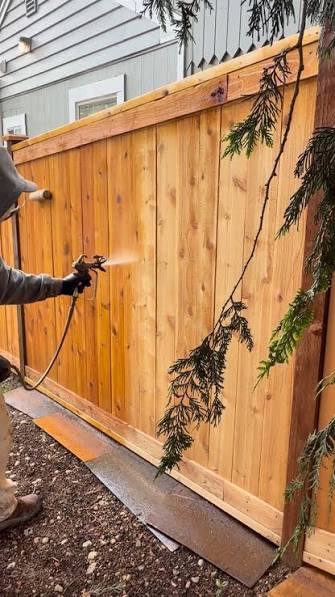
A proper exterior painting process starts by evaluating what is already on the house. Loose material needs to be removed. Dirty surfaces need to be cleaned. Gaps and failed sealant need attention where appropriate. Bare or problem areas may need primer. Landscaping, roofing, windows, walkways, and adjacent surfaces should be protected before coating begins.
In Vancouver and throughout Clark County, shaded sides of homes deserve extra attention because they can stay damp longer and collect organic growth. Painting over contamination does not solve the underlying preparation problem.
Signs Your Exterior Is Not Ready for Paint Today
You should expect a painter to postpone coating if the siding is visibly wet, rain is actively falling, heavy fog is keeping the surface damp, or the forecast does not provide the required dry window. Other warning signs include condensation, soft damp wood, water sitting in trim joints, or temperatures outside the product’s stated range.
A weather delay can be frustrating, especially when a project is already underway. But a short delay is better than compromising the finish.
The Bottom Line for Vancouver Homeowners
Yes, homes can absolutely be painted successfully in Vancouver, WA. Thousands of homes across the Pacific Northwest are protected with exterior coating systems designed for demanding weather. The key is respecting the conditions during preparation and application.
Do not judge readiness by whether the street looks dry. The siding itself needs to be ready. Do not assume one temperature or waiting period applies to every product. And do not be concerned if a professional painter adjusts the schedule because of moisture. That is usually a sign that the crew is protecting the quality of the work rather than racing the forecast.
If your siding, trim, fascia, or exterior wood is due for a fresh finish, Elite Edge Painting provides detailed exterior preparation and painting for homeowners in Vancouver, Camas, and surrounding Clark County communities. Call (360) 550-0237 or request a free estimate to have your exterior evaluated and discuss the best timing for your home.